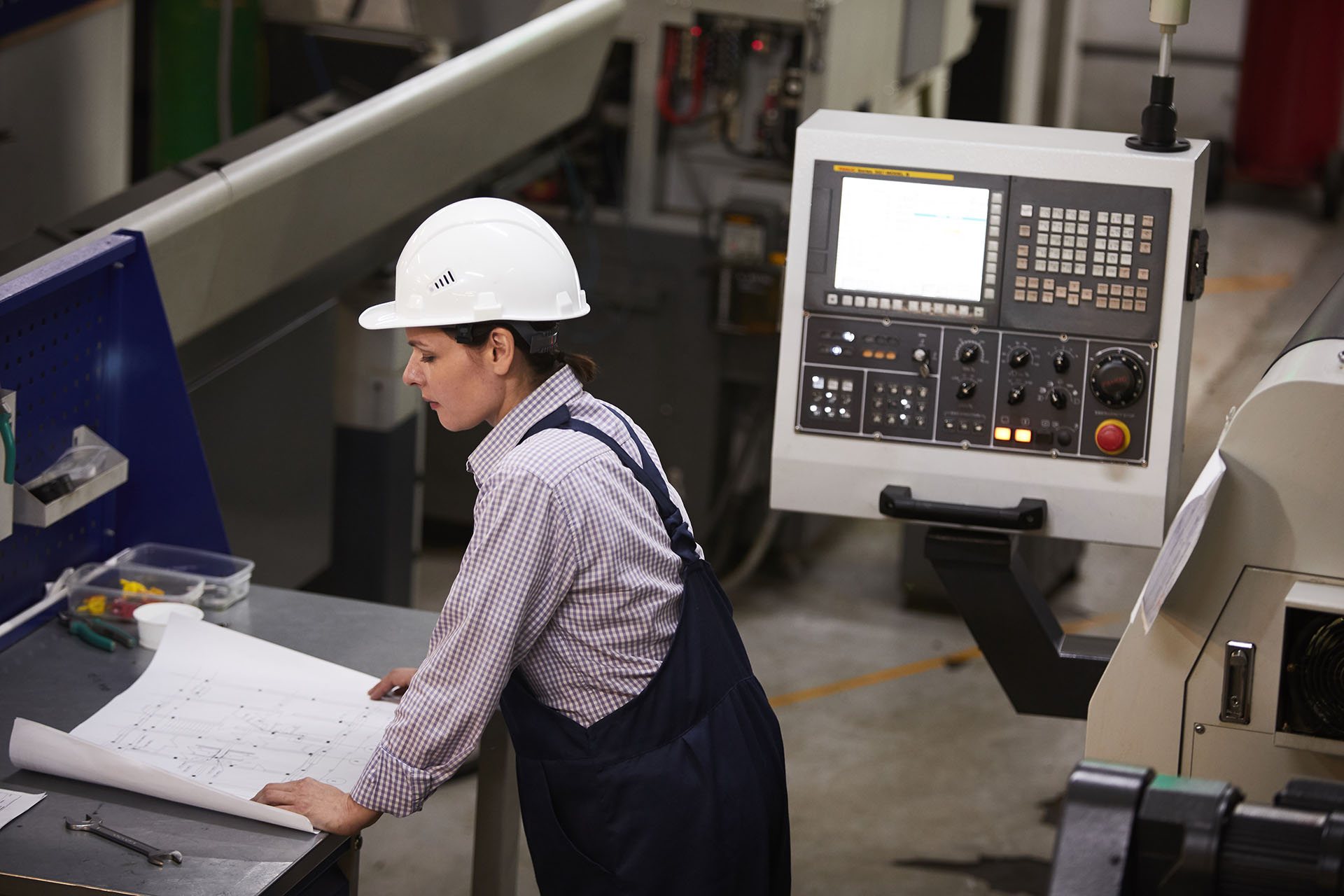
CNC machining is often associated with precision engineering and industrial applications. In this blog post, we dispel the notion that CNC is merely a hobbyist’s tool that can be utilized at home and highlight why CNC machining is a serious endeavor:
- Industrial Precision: CNC machining is renowned for its industrial-grade precision, setting it apart from hobbyist-level tools. While hobbyist CNC machines may exist, the professional applications of CNC machining demand a level of accuracy that is only achievable through high-quality, industrial-grade equipment. The precision offered by CNC machining is crucial in industries where components must meet stringent specifications, such as aerospace, automotive, and medical manufacturing. Professionals in these fields rely on CNC machining for its ability to consistently produce parts with tight tolerances and exacting precision.
- Professional Applications: CNC machining finds its home in a myriad of professional applications, solidifying its status as an essential tool for various industries. From the aerospace sector, where precision is paramount, to the medical field, where intricate components are a necessity, CNC machining plays a vital role. Automotive manufacturers utilize CNC machining for the production of complex and customized parts. The versatility of CNC technology ensures that it’s not limited to a single industry, making it a valuable asset for any business that prioritizes precision and efficiency in its manufacturing processes.
- Investment in Technology: The advanced technology behind CNC machining demands a significant financial investment. Industrial-grade CNC machines, equipped with precision components and sophisticated control systems, come with a higher price tag. Moreover, ongoing investments are required for maintenance, software updates, and staff training. This financial commitment is a testament to the value that businesses place on the capabilities of CNC machining. It underscores the seriousness with which industries approach the adoption of CNC technology as a pivotal component of their manufacturing strategy.
- Skilled Expertise: Operating CNC machinery requires a level of expertise beyond what is typically associated with hobbyist tools. Professionals working with CNC machines undergo specialized training to understand the intricacies of programming, toolpath optimization, and machine operation. The knowledge required to maximize the potential of CNC machining goes beyond basic hobbyist skills, encompassing a deep understanding of materials, tooling, and the nuances of the machining process. This skilled expertise is essential to harness the full capabilities of CNC machining in a professional setting.
- Impact on Production Efficiency: CNC machining is not just a tool; it’s a catalyst for increased production efficiency. Its role in automating processes, minimizing errors, and accelerating production timelines is instrumental in the success of industries that rely on precision manufacturing. Businesses adopting CNC machining are making a strategic move to enhance their competitiveness by ensuring faster turnaround times, reduced waste, and consistently high-quality products. The impact on production efficiency positions CNC machining as a cornerstone technology for companies striving for excellence in their respective fields.
In the public consciousness, CNC machining is sometimes perceived as a tool exclusive to hobbyists tinkering in workshops. While hobbyist CNC machines do exist, it’s essential to ensure your end products are always within tolerance and specifications from your engineers.
Need a partner in your manufacturing? Contact us today to get started!